Wednesday, April 14, 2010

East Asia Quiz


1. China’s One Child Policy was put into effect in 1979 as an effort to help decrease the problem of overpopulation and other environmental issues. China created this policy or law that allowed families to only have one child. Many see this law as violating the human rights of people because of the strict governmental restrictions. This can sometimes include forced sterilizations and abortions to families who have already had one child. This can also affect the relationships between family members. They will have less opportunity to bond with other brothers, sisters, cousins etc. There is also much pressure to bear a son because they are thought to be valued higher in the Chinese society. Boys can be bigger and stronger and help out more with job tasks.
http://content.nejm.org/cgi/content/full/353/11/1171


2. The Three Gorges Dam is the largest dam in the world, which stands at 600 feet and 1.4 miles wide. It was designed to help control flooding, improve navigation on the Chang Jiang, and to generate electricity. This project has cost billions of dollars and has dramatically affected the surrounding environment and population. The dam has negatively disrupted the environment so much that some types of wildlife, such as the fish-sturgeon which may now go extinct. This project has also had a great impact on human life. It has forced over 1.9 million people who once lived where the dam now forms a reservoir to relocate into a different area.
Pulsipher, 2006, p.335-336


3. The connection between China and Sudan is a business relationship. The Chinese buy oil from Sudan, which in turn increases their profit for spending. China has previously supplied Sudan with millions of dollars worth of small arms. These weapons have been thought to be used in the genocide and North vs. South civil war. These events have killed many of innocent civilians of the Darfur region, which has caused people to abandon their homes and families.
http://www.stoparmstosudan.org/pages.asp?id=24


4. According to Pulsipher, Confucianism is closely related to China’s bureaucratic ruling tradition. The goals that Confucius had were to eliminate violence from the society and to help reform the government. The values and beliefs that he created affected the overall structure of families living within Eastern Asia. The model for Confucian philosophy was the patriarchy, which was determined further by gender and age. Confucian ideals were thought to maintain the power and position of emperors and their bureaucratic administrators at the expense of merchants.
Pulsipher, 2006, p. 338-339


5. There are many environmental problems that face China. Many of these issues stem from their over populated and developed country. Air pollution is one of the biggest problems for this region of the world. Pulsipher believes the air quality in China’s cities is among the worst in the world. The air pollution is thought to be caused by the burning of coal and also be the emissions from various vehicles. One direct consequence of this pollution is acid rain. Air pollution can have many lasting effects on the people living in these conditions. One is recurrent illnesses and increase in allergies. This can negatively impact many people’s lives. This can also affect the rest of the world by contributing to global warming by emitting CO2.
Pulsipher, 2006 p.336-337


6. An American’s daily life differs from a Japanese person’s daily life in many ways. The biggest difference between the two cultures is seen in the working world. First, the work days are much longer and businesses expect much more work/dedication to their company. They expect that employees are committed to their work and that they must work overtime. They also expect that leisure time is to be spent with business colleagues to help build and maintain relationships. People living within this culture take the emphasis off of spending time with family, but rather put important business opportunities first. Transportation is another big difference between these two cultures. The transportation systems that are used in Japan are used much often and are more efficient.
http://www.japan-guide.com/e/e625.html


7. Hong Kong-It is a part of China after the UK cut their ties with them in 1999. It is one of two special administrative regions (SAR) of China. Hong Kong has a special relationship with China because it does not have to participate in the Chinese socialist economic system. It more or less serves as China’s connection to the global economy. Hong Kong is special because it has a capitalists economy where it promotes its low taxes. This freedom allows many businesses to have success.
Macau-This is the second special administrative region (SAR) that is a part of China. Macau has the ability to control its own economics as well as customs, which allows it to have some freedom. Macau is protected by China and this power allows them to control the diplomatic relations. The freedom that is granted to both of these (Hong Kong and Macau) regions allow for a higher quality of life compared to the rest of China.
Taiwan-Today, the status of Taiwan is still unresolved between Taiwan and the Chinese government. There have been many people who have fled to Taiwan to evade and escape the government of China. Taiwan considers that they are independent from China because they have a less controlling government. Similar to the other regions, they offer more freedoms which helps to contribute to the greater quality of life seen in this region.
http://www.unhcr.org/refworld/country/4562d8cf2/MAC.html


8. The two countries on the Korean Peninsula are North and South Korea. They are separated because of many political differences. The WWII established a boundary (38th Parallel) that today separates the two countries. The U.S. views North Korea as a threat or danger because of their government. They have a communist government and are trying to develop nuclear weapons. These nuclear threats have created much tension between the U.S. and North Korea. The U.S. views South Korea as an ally because of its similar democratic system. They have been allies because of their similar thoughts and beliefs. This relationship is much stronger compared to the relationship between North Korea.
http://www.kedo.org/


9. There have been many conflicts between Tibet and China. Their relationship is seen as a hostile and unstable one. According to the BBC news they reported that the, “allegiances of many Tibetans lie with the exiled spiritual leader, the Dalai Lama, seen by his followers as a living god, but by China as a separatist threat" (BBC, 2008). Tibet has been trying to gain independence from China for many years. However, the Chinese government keeps restricting them because of their beliefs and many other issues. This has negatively impacted many people living in Tibet because they say they are losing their characteristics that make them unique.
http://news.bbc.co.uk/2/hi/7299221.stm


Photos courtesy from http://www.bing.com/

Tuesday, April 6, 2010

South Asia


A. Why does South Asian countries have to deal with monsoons? How do monsoons affect seasons? How have the monsoons affected life in South Asia? Specifically address life in Bangladesh.

-- South Asian countries have to deal with monsoons because of the winter and summer wind patterns. In the winter, there is cool and dry air that flows from South Asia out to the ocean. It is the opposite during the summer because the air with the moisture flows from the Indian Ocean in towards the countries located in South Asia. This brings heavy rains and it affects many different aspects of life. The monsoons can dictate the amount of precipitation a region has, which can affect things like agriculture. The amount of rainfall can either destroy or help crops grow. Monsoon season is especially tough on people who live in Bangladesh. This is because heavy rainfall is common characteristic of this country because of its location. It is located just south of the foothills of the Himalayas which are close to the intertropical convergence zone, which draws a lot of rain. This amount of precipitation makes it very difficult to maintain crops during very wet and very dry seasons.

B. Explain the environmental issues around the Ganges River and the impact this has had on the people of India.

--There are many problems that surround the pollution of the Ganges River. The Ganges River has been important to the people of India because it has served for many years as a resource for drinking, cooking and bathing. This river is now being over-polluted by the people within this country because of several of reasons. The old sewage system which was built by the British has exceeded its capacity. This system, because of its capacity, is now dumping raw sewage directly into the river which leads too much of the pollution. There is also a Hindu tradition in which people scatter their dead loved ones cremated body into the river. However, the process of the cremation is not fully successful and this problem also contributes to the pollution of the river. This pollution has affected the many people who rely on this river for their everyday life. The pollution of this river has caused various illnesses and it doesn’t allow people to use it for their needs. There are many solutions that are trying to be implemented to make this river cleaner to help the people and animals that use this river.

C. In what areas is the population density highest in South Asia and why? What are the reasons for the population growth in South Asia? What impact does the massive population have on South Asia?

--There are many areas within South Asia that have very high population densities. These regions consist of southern and northern India and Bangladesh. There are many factors that have contributed to this massive population growth in South Asia. One reason is because of the incentive to have large families so that the children can contribute to labor such as farming to help the family bring in a larger income. Another factor that is causing high population is because of the poor access to healthcare within these regions. This causes many babies and young children to die at an early age. This means that families will try to have multiple children to ensure that at least one will survive to adulthood. The impact of high population density contributes to many economical and environmental problems. There is not an equal distribution of resources to the people living within these highly populated regions.

D. How did the caste system develop and what affect has it had on the human geography of the region?

--The caste system is an ancient development that divided a society into hereditary hierarchical categories. A person is thought to be born into a given category and destined to live the life of those types of people. This traditional system has had many affects on human geography throughout the years. It has caused much discrimination between classes of high and low standing. Traditionally ones sub-caste would determine where one lived, what they ate, who they were associated with and what type of job and life they would have. Now India has began to try to eliminate the discrimination between the various categories of the caste system. They have begun to implement a affirmative action program that guarantees rights and jobs to those people who are thought to be in the lower classes.

E. What are at the roots of the conflict over the Punjab and Kashmir regions? What groups are involved with the conflict?

--Punjab is the home of the Sikh people. The state of Punjab was divided between India and Pakistan in 1947. During this transition, the Sikh community chose to live in the Indian part of Punjab because they thought that their identity would be better protected by living within this region. However, they have felt alienated by the people of India. This has caused much violence between these two groups of people. There have been many deaths due to the violence of angry citizens. Kashmir is a region that has been dominated by Muslim influence. Some of the citizens living within this region believe that it should be turned over to Pakistan. However, the king of Kashmir who is a Hindu wants Kashmir to remain independent. There are many regional conflicts in which people dispute the territorial boundaries of land. These are two examples of regional conflicts of the citizens living within these territories. The conflicts are usually felt by local citizens who want to associate with a different country, but this association can be very troubling because there are many political reasons. Politics play an important factor in determining the regional conflicts.

Wednesday, March 24, 2010

Guns, Germs and Steel


In the movie Guns, Germs and Steel, Jared Diamond tries to explain the reasons behind the many problems surrounding Africa and its natives. Diamond believes that it began with the European settlers who came to Africa many years ago. This group of people took over native land from the Africans. This displaced many of the natives forcing them to move away from their home land. The European settlers were able to accomplish this because of their developed lifestyle. They had important resources like large animals, developed technology and sophisticated medicine. These factors all contributed to the decline in African power. Once the Europeans had taken over southern Africa they started pushing towards the interior of Africa to gain more land and resources. However, with this conquest the Europeans experienced more problems. They faced more resistance from larger African tribes, which they had not seen before. The Europeans combated this by advancing their steel technology. The industrial revolution led the Europeans to the creation of more advanced guns (the multi-shot and continuous gun). This invention helped the Europeans to take over more land and travel farther toward the interior of Africa. However, this movement to the interior parts of Africa posed greater problems for the Europeans. Their initial settlements were in southern Africa, which were equally the same distance from the equator as they were in Europe. This helped to produce similar climates and conditions that they were accustomed too. When the Europeans moved more towards the interior they moved into a more tropical climate. They were subjected to a new environment that they and their animals had never experienced. The land was very different and this affected their farming and agriculture because their crops would not successfully grow. The new climate also brought new illnesses and diseases that they had never seen. They didn’t have the proper medicine to combat these various problems. This caused the Europeans to eventually leave this land, but after they left the damage upon Africa and their natives was already done. The colonization that the Europeans had enforced on the Africans was one factor that has contributed to their problems and still exists today. Africans used to live in different regions that were very spread out, but now they live in high density locations. This has increased the rate of infection of different illnesses and diseases. It is easier to pass and contract an illness when living in close proximity of more individuals. This has also affected their medicine because the more medicine the doctors give out the more likely the strains of disease can mutate and combat the effect of the medicine. This has caused medicine in Africa to become less effective causing more sickness and more deaths. Before the Europeans arrived in Africa, African culture was very diverse with many tribes. Each tribe had their own culture made up of a different set of beliefs and values. They also had their own unique language. Since different tribes of Africans were forced to live in close proximity, many problems have cropped up amongst the different tribes. Besides having to live in close proximity to each other, other factors that have contributed to this rise in conflict are the language and cultural barriers between different groups of Africans. Understanding the impact the European Settlers had when they came to Africa and colonized helps to understand how the tension started among the Africans and why conflict still exists today.

Photos courtesy of http://www.travelnotes.org/Africa/images/africa2.gif and https://blogger.googleusercontent.com/img/b/R29vZ2xl/AVvXsEhWv_qh9DSM6NWWPGbh5FahMjxqKx_wC9f3WfOIHOUKjkUuFxzQt8WPi39L4vuXM2WzqUiAK7XunVS7dZxmKyLSG2OrBWdjDW0w_GMkfdvt0In_wYOqshIhvJ-Ws3oliUOhiPWi94_gnSo/s400/boer-guerrilla-commandos-boerwar_400.jpg

Wednesday, March 10, 2010

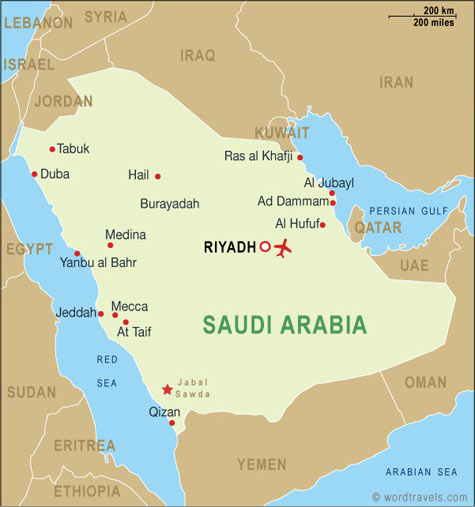
Saudi Arabia


Before I watched the program about Saudi Arabia I had many preconceived notions about this country and their people. First, I knew that the majority of this country was desert. The film stated that 95% of the country was actually made up of desert. I thought that it was awesome that the Saudi Arabians had off-road vehicles that they used to tear up the desert. I would love the opportunity to cruise the desert in one of those types of vehicles. I also believed the people of Saudi Arabia to be very reserved and quite. I thought this because I knew that there were many strict religious rules and codes in which they had to follow. I also thought that the majority of the population was either rich or poor because of the significance of oil production with very little middle class. It was fascinating to find out that the cost of a gallon of gas was under $1 in Saudi Arabia. It seemed that there was also a middle class present throughout the filming of this show. I was expecting to see a large presence of wealth and materialistic people in the program, but this class was not represented or shown in the program. It was interesting to see that they also had a huge shopping mall for people to go shopping. I was also aware of the dress code in which women are forced to follow. It was interesting to find out that the reason the women covered up in public was to protect female beauty. However, I did not realize that they could wear whatever they wanted in their own home. It was nice to know that females had some freedom when it came to dressing in clothes! It would not be very fun to be limited to a certain dress code everywhere you went! I thought it was so bizarre and fascinating that women had to follow the dress code even while underwater! It was interesting to see that the outfit the men wore actually was very light weight and helped to keep them cool in the hot temperatures. I learned that vendors and practically the rest of the city shuts down during the time of prayer. I also learned that Saudi Arabia is a very family oriented country. Families get preferential treatment when it comes to certain things within the community. I was shocked at how similar Saudi Arabians act compared to people from the United States. It seemed that everyone was very nice and polite to the American host. I also saw many friendly and proud Arabs who were honored to serve their guests. Hospitality was also an important aspect when it came to the culture of the Saudi Arabians. It was also interesting to see the wide variety of food selection that they had. I didn’t know that camel meat was actually a part of their diet. It was also interesting to see that the majority of people ate with their fingers. They would share a main course and just rip their food right off with their fingers. This is a different concept compared to American culture. Overall I thought that the country of Saudi Arabia was very different from what I expected. I would someday love the opportunity to travel to this place!

Soviet Terms

Glasnost- A specific Soviet government policy that allowed for open discussion of social and political issues within the country. It was also known as a historical time period (around the 1980s) when there was less censorship by the government.

http://www.historyorb.com/russia/glasnost.shtml

Karl Marx- A German socialist thinker whose ideas and beliefs created the foundations of communism. His ideology eventually led to the movement of Marxism. This system of beliefs have influenced many people and has specifically impacted the people of Russia.

http://www.historyguide.org/intellect/marx.html

http://www.pointofresistance.com/wp-content/uploads/2009/05/karl-marx0.jpg

Vladimir Lenin- A Russian politician and revolutionary thinker who led the Russian Revolution of 1917. He was known as a communist who was the first Head of State during the initial years of the USSR.

http://www.essortment.com/all/biographyvladim_myd.htm

http://www.isfp.co.uk/images/vladimir_lenin.jpg

Perestroika- Was the policy of governmental and economic reform. This was established by Mikhail Gorbachev of the Soviet Union. The creation of this policy took place during the mid 1980s.

http://www.merriam-webster.com/dictionary/perestroika

Russian Revolution of 1917- A combination of events which led to the creation of the Soviet state. It became known as the Union of Soviet Socialist Republics or the USSR.

http://www.emayzine.com/lectures/russianrev.html

KGB- A Russian abbreviation for the name of the national security agency of the Soviet Union. It was known for being a very effective intelligence agency.

http://www.fas.org/irp/world/russia/kgb/su0520.htm

http://turcopolier.typepad.com/.a/6a00d8341c72e153ef01156ff8732f970c-800wi

Chechnya- A region that is located in the Northern Caucasus mountains. Over time, there have been many disputes over its independence from Russia.

http://www.globalissues.org/article/100/crisis-in-chechnya

http://www.flashpoints.info/countries-conflicts/Chechnya-web/Chechnya-map3.bmp

Tsar Nickolas II- The last Emperor to rule Russia. He ruled from 1894 until 1917 and was abolished shortly following the Revolution of 1917.

http://www.firstworldwar.com/bio/nicholasii.htm

http://upload.wikimedia.org/wikipedia/en/3/3d/Tsar_Nicholas_II_-1898.JPG

Trans-Siberian railroad- The longest railroad system to exist in Russia. The system was constructed under the control of Tsar Alexander III and began in 1891. This railroad system runs from Moscow to Vladivostok and stretches over 5,700 miles.

http://www.geographia.com/russia/trasib01.htm

http://www.travelhistory.org/siberia/travelers/bholmes/intromatter/transibbig.jpg

Kremlin- Is a complex consisting of multiple palaces, armories and churches. It also serves as the official residence of the President of Russia.

http://www.geographia.com/russia/moscow02.htm

http://rocketrussian.files.wordpress.com/2009/03/kremlin.jpg

Red Square- A location in Moscow that is known as a city square. This square is surrounded by some of Moscow’s famous tourist attractions such as Lenin’s tomb and St. Basil’s cathedral. It is also located adjacent to the Kremlin.

http://www.geographia.com/RUSSIA/moscow03.htm

Bolshevik- A member of the extremist wing of the Russian Democratic party. The Bolsheviks came to power during the Russian Revolution of 1917 and eventually founded the Soviet Union.

http://www.thenagain.info/webchron/easteurope/octrev.html

Joseph Stalin- A Russian political figure who became the leader of the Soviet Union after the death of Vladimir Lenin.

http://www.spartacus.schoolnet.co.uk/RUSstalin.htm

http://images.google.com/images?q=Joseph%20Stalin&um=1&ie=UTF-8&sa=N&hl=en&tab=wi

Yuri Gagarin- A Soviet cosmonaut, who became the first person in outer space. While in space he was able to successfully orbit the Earth.

http://starchild.gsfc.nasa.gov/docs/StarChild/whos_who_level2/gagarin.html

http://scrapetv.com/News/News%20Pages/Science/Images/yuri-gagarin-in-space.jpg

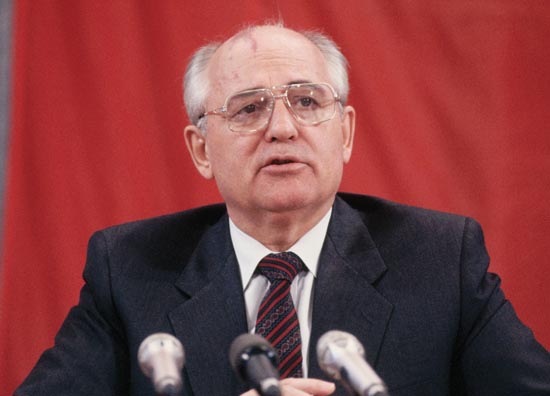
Mikhail Gorbachev- A Soviet official who served as President, but resigned once the Soviet Union started to fall apart.

http://www.britannica.com/EBchecked/topic/238982/Mikhail-Gorbachev

http://www.topnews.in/files/Mikhail.Gorbachev.jpg

Grigori Rasputin- A man who was considered to have been a “faith healer” who influenced many lives. Interestingly, there is a brand of vodka that is made in Germany that is named after Rasputin and even includes his face in a hologram on the bottle.

http://www.biographybase.com/biography/Rasputin_Grigori.html

http://signaveritae.files.wordpress.com/2009/02/rasputin-pd.jpg

Grand Dutchess Anastasia- The youngest daughter of Tsar Nicholas II who was supposedly executed with her family by the Bolsheviks during the Russian Revolution of 1917. Some people say that her body was missing and question her whereabouts.

http://www.answers.com/topic/anastasia

Red Terror- Is known as a campaign led by the Bolsheviks, which included many executions and arrests. This campaign targeted against counterrevolutionaries in Russia.

http://encyclopedia.stateuniversity.com/pages/18369/Red-Terror.html

Lake Baykal- Is the world’s deepest lake in the world, which reaches depths of 1285 m below sea level. It is believed that this lake contains 20% of the total freshwater on the entire earth.

http://www.ilec.or.jp/database/asi/asi-27.html

http://www.baikaler.com/map/gifs/olkhontotal.gif

All of these terms are connected in various ways, but all contribute to the history and geography of Russia.

Wednesday, February 24, 2010

Jared Diamond

According to Jared Diamond, his research has shown that it is geographic luck that determines whether or not a civilization grows prosperous. He believes that there is a direct correlation between animal and plant domestication and the ability of a culture to advance. Great civilizations have been known for greater advancements in technology and larger population growth. He discovered that it was because of animal and plant domestication that led to these great civilizations. However, these two variables depended greatly on the geography of the land. This factor was determined to be all luck. Civilizations that had to hunt and gather their food took more time and energy than civilizations who could farm and easily produce their food. The environment was a crucial factor in determining specific local foods. Some regions of the world could only grow certain produce that wasn’t nutritious. This food lacked necessary nutritious value, which didn’t allow civilizations to grow in the number of people. Farming was another key aspect that led to larger civilizations. Farms that could grow nutritious and beneficial food would have the opportunity to provide healthier food to their people. Farming could also provide a larger quantity of food allowing more people to be fed and therefore growing the population within a given civilization. The domestication of animals also allowed for such goods as milk (high in protein), skin and fur for warmth, leather and hide. Large animals could also be used for different things such as farming. Therefore, regions with larger animals had the opportunity to use these animals to their advantage. In conclusion, geographic places with fertile land, the right plant domestication and animals made it easier for civilizations to grow. These factors seemed to hugely contribute to and impacted whether or not a civilization would grow and prosper in size. When a civilization became larger in size they would then continue to prosper and have greater advancements in technology.

Wednesday, February 10, 2010

Speaker on Afghanistan


The presentation that I attended was about life in Afghanistan. Roy Glover was the key note speaker who spoke about his time as a public diplomacy officer in Afghanistan. He began his presentation talking about his life and how different events affected his career path. He also explained the detailed process of how he became a public diplomat. His duties as a public diplomacy officer were to work with the people of Afghanistan and to inform them of certain U.S. policies. Mr. Glover also worked with the news media to try and promote U.S. interests with the people of Afghanistan. Another part of his job was informing Washington about what people thought about different U.S. policies. Roy Glover worked in a couple different countries before being sent to Afghanistan. He talked about the extensive bidding process that people go through to apply to work in different countries. He was granted access to work in the U.S. embassy in Kabul, Afghanistan. While he was in Afghanistan he spoke about how life there was very secluded and protected. In his PowerPoint, he showed many pictures of where he lived. His living corridors were very small, similar to that of a freshman dorm room. Mr. Glover was there during the war and spoke about how that influenced his work and lifestyle. He talked about how much security was there and the many different precautions they took. He lived inside a community surrounded by large cement walls with guard posts protecting 24 hours, 7 days a week. Mr. Glover didn’t have many opportunities to go out and experience the culture of Afghanistan because of the many limitations due to security. Even though he was limited in his ability to really explore Afghanistan he was still able to share with us what life was like to live in Afghanistan during the war. It was also interesting to hear about how his duties as a public diplomacy officer shifted day-to-day depending on what was going on in the world. It seemed like a very interesting job because every day he woke up not knowing what was going to happen next. It was interesting to hear personal stories from someone who was exposed to the war and how it affected his life and job.


Wednesday, February 3, 2010

Genocide Presentation-Reflection

Dr. Kennedy’s presentation on genocide was very eye-opening. Genocide is a very dark and depressive subject, but needs to be talked about. I thought that the way Dr. Kennedy presented the information was very illuminating and interesting. She began her presentation by making the information relevant and easy to relate to by telling a story, comparing her daughter and another girl her same age from Rwanda. This story was very sad, but it got the audience’s attention about the subject. It is very interesting to compare and contrast the two girls. They were very similar individuals, however the major difference of course was where they were from. It is scary to think that anyone of us could have been subjected to those conditions. We are very lucky to live in a free country where genocide does not take place. However, like Dr. Kennedy said we have an obligation (being humans) to help to try and prevent things like this from happening. It is very sad to think that genocide can still happen in the world today. Throughout the presentation Dr. Kennedy provided the history of genocide in which she gave statistics, pictures, locations, and prominent figures associated with each tragedy. She also provided reasons and insight to why certain regions of the world were subjected to genocide. I thought that her presentation was very moving because she did more than just give out facts and statistics about genocide. Dr. Kennedy was able to share the stories of the people of Sudan and show us the faces of those who have suffered from these horrible conditions. Seeing the faces of the people who were impacted by these conditions makes it more powerful and has a greater impact to me. Dr. Kennedy ended her presentation with a powerful message that genocide needs to be stopped and there are things we can all do to help prevent genocide. One of the major things that we can do to help prevent genocide is to create awareness of this issue. By informing the public we can create a stronger argument for the government to act and to get involved. We can all make a difference in this world and if we can come together as a nation I believe we can help to put a stop to genocide. This can help to save the lives of those who are enduring this atrocity.

Monday, January 25, 2010

Environmental Destruction


Deforestation is a leading cause of global destruction. Eliminating forests not only hurts the ecosystem, but it can also affect humans and climate change. When people remove trees from various forests they take away the habitat of many living organisms. This does not directly affect humans, but it could in the near future because many of the animals that we depend on rely on other organisms that are dying out because their habitat is getting destroyed. One must look at the food chain and realize that if we keep eliminating certain organisms that it will eventually affect human beings. Forests are also important for their nutrients that they provide. There are many resources that we use that come from forests. One important example is medicine. If we were to keep destroying forests, we would lose our valuable resources in which we depend on for making medicine. Another important way forests contribute to the world is that they can directly affect the climate. Trees can determine the amount of rain a certain region gets. This process has many positive effects on the ecosystem and is a key part in determining the climate of a region. There are many more ways in which trees and forests help support the world, which is why we must stop deforestation. Deforestation has been proven to negatively impact the environment and is one of the factors that could eventually lead us to global destruction!

This photo was found at http://www.etff.org/2009/images/deforestation-sep09.jpg

Wednesday, January 20, 2010

5 Themes of Geography

Eden Prairie, Minnesota

Location
i. Absolute--44° 51' 17" N / 93° 28' 14" W
ii. Relative—About one hour and fifteen minutes South East of St. Joseph, MN. Eden Prairie is located southwest of the Minneapolis-St. Paul metro area.

Region
i. Physical— Eden Prairie is located in the interior lowland of the United States. It is considered a suburb of Minneapolis. There are over 11 counties in this region.
ii. Cultural—Eden Prairie is made up of a diverse mixture of nationalities. The majority of Eden Prairie’s population (approximately 60,000 people) is made up of white, Christians. What makes Eden Prairie interesting is the impact of the different nationalities that make up the remainder of the population. EP is positively influenced by the Somalian culture and several others. Another interesting fact regarding the makeup of Eden Prairie’s population is the fact that over 70% of the population is under the age of 45 yrs.

Place
i. Physical—Although, most of Eden Prairie is developed, EP does offer over 15 lakes, 170 miles of multi-use trails, 2,250 acres of park land and is home to several wildlife areas and woodlands.
ii. Human— Many corporations have headquartered out of Eden Prairie, ie. (Best Buy, Starkey Labs etc.) We are also well known for our largest private golf course, Bearpath, which was designed by Jack Nicklaus. However, we are probably most known for being home to the Minnesota Vikings headquarters and practice facilities. The City of Eden Prairie, Minnesota has been recognized as a great place to work and raise a family for many years and is currently one of MONEY Magazine's "Best Places to Live" in America. Flying Cloud Airport, located in Eden Prairie, provides convenient access for personal and corporate aircraft. Eden Prairie possesses dozens of hotels and award-winning restaurants as well as a super-regional shopping center that draws more than 13-million visitors per year.

Human Environment Interactions
i. Eden Prairie is a very developed city. This development has occurred in a fairly rapid amount of time. Less than 50 years ago, Eden Prairie was considered an agricultural community made up of mostly farm and prairie land. Although, there are many parks, wildlife areas and woodlands still present in this community, much land has been used and wildlife areas destroyed in order to develop its housing and business industry.

Movement
i. The majority of people from Eden Prairie get around by the use of automobiles. There is a transit station located in Eden Prairie, which is used for people to get to the downtown area and surrounding cities. Goods are usually transported by semi-trucks. Ideas travel by word of mouth and various advertisements such as billboards, TV (Eden Prairie channel 6), radio, Eden Prairie newspaper (Sun Times) and an Eden Prairie magazine.

Saturday, December 5, 2009

Women on the Verge of a Nervous Breakdown

This movie was an adventurous, exciting foreign film that was about the theme of romance. The movie was about a female character, Pepa, who tries desperately to find her boyfriend because of news she has to tell him. However, it was not only about her journey to track down her boyfriend, but it also included love triangles. These love triangles were seen throughout the movie between numerous characters. The movie begins with Ivan saying romantic pick-up lines to several different women. From the beginning the viewer assumes that Ivan is a ladies’ man and probably likes many different women. The film explores the idea of romance. Ivan and Pepa share the same job in which they are voice over actors who re-make foreign films. It is assumed that their careers are what connected them and led them to having a relationship. It is also ironic that the scene they voice-over is about marriage and love. This sets up the romance theme that is farced throughout the entire movie. The majority of the movie is about Pepa trying to track down Ivan to tell him some kind of news, which she has learned from the doctor. While she searches for him there are a lot of other side plots. One in which creates many love triangles. Ivan’s son (from his previous marriage), Carlos and his snobby fiancé are introduced into the movie because they are looking to buy Pepa’s apartment. While they are over looking at the penthouse, Carlos’s fiancé drinks Gazpacho, which Pepa previously laced with sleeping pills. Pepa originally meant for Ivan to drink the Gazpacho because she wanted him to stay. Ivan was a man who was always on the move so in order to keep him in one place she spiked his favorite soup with sleeping pills. However, Carlos’s fiancé was the first to drink it and while she was knocked out Carlos hooked up with Pepa’s good friend Candela. This created the movie’s first love triangle. Candela was an old friend who was on the run after being used by recently arrested Shiites. Candela was afraid the police would arrest her for being associated with these recently captured terrorists. Carlos recommends Candela see a feminist attorney. After being approached by Pepa, the attorney wants nothing do with Candela’s case. This creates a lot of tension between the two females. Towards the end of the movie it is discovered that the attorney was seeing Ivan. This created yet another love triangle that director Pedro Almodóvar uses. The two share a deep moment of serenity and try to forget about the crazy day they experienced. It seems apparent that they are both going to ditch their cheating boyfriends in an effort to find true love. Pedro Almodóvar uses the role of women as the focal point in this movie because he believes that women make better characters. His approach was very obvious throughout this movie because it seemed like there were many interactions amongst women. However, it is interesting to note that the subject of all of the drama is the result of men. Throughout this movie men are seen as using women to get what they want. This behavior is clearly portrayed through the characters of Ivan, Carlos and the male Shiite. The drama that follows is seen primarily through the female characters, which Almodóvar uses because he thinks women are more dramatically interesting. This European film maker also created interconnecting love triangles in which the man left a woman for another woman. This created much drama and tension between certain characters. This constant change in partners made the audience very aware that one of the points the movie wanted to make was that love is not always a definite thing ~ relationships change. It was interesting to see that the father and son character were both examples of the men who were in the middle of each triangle. It seemed that the father played a role in teaching the son about relationships. Ivan was made out to act very impulsive, which was also a trait displayed in Carlos. Overall, I really enjoyed this movie because of the comedy and the fun that was being poked at the characters that were involved in the love triangles. The movie did a good job intertwining all of the relationships among the characters. It was certainly not a story that I would have taken seriously, but the adventure and thrill made this movie appealing.

Friday, November 20, 2009

Antonia’s Line

This movie was very different from any of the films that we have seen in class. This wasn’t one of my favorite movies, but I thought it was an interesting view of romance and marriage because it was from a different perspective. The perspective of love was different because it was taken from a foreign country, different culture and it took place many years ago. This viewpoint was not at all like the other films that we have viewed in class. Love, family and happiness were present without the presence of many men. It was a movie that definitely addressed the strength and abilities of a woman to stand on her own. There were many aspects to this movie that I found fascinating. I thought that the movie was about the constant cycle of life and death. This was signified through the timeline of the movie. It viewed many generations of a single family. Life was shown through the abundance of children displayed throughout the movie. The idea of children and fertility was a significant theme to the first half of the movie. The film first introduces Danielle as the child of Antonia who is a creative and artistic little girl. Danielle soon grows up and wants a child of her own. Then her child Therese had a baby of her own with her partner. There was a reoccurring theme of the presence of children and how each interacted within the village. However, Danielle had an unusual situation because she did not want a husband to go along with the baby. This also seemed to be a common theme throughout the movie. At the beginning of the movie we also see that Antonia declines a man to be her husband. These examples allowed the movie to show the strength, both emotionally and physically, that the women had. They overcame many obstacles throughout the film. It seemed that men were not a necessary aspect for some of the women. Danielle used a man for his reproduction ability. This movie was seen more as a Utopia for women. It featured all females from the same family. It showed different generations of family and how things changed over time. The filmed showed an importance of carrying on a family by becoming pregnant. However, as the movie progressed, children we featured less and less. The second half of the film explored the idea of death. As time progressed so did the people of the village. It seemed that over time there were fewer births and more deaths. As the village people grew older, there was a loss of happiness and self-worth shown through some individuals. Finger, was one character who displayed these emotions. It seemed that he couldn’t find a meaning in the world he lived in. He believed that if he ended his life that it would help the lives of the other people. Finger was tormented by his feelings, which led him to commit suicide. In this film, the idea of marriage seemed irrelevant because it didn’t seem necessary. There really was no affect of the institution of marriage on the individuals seen within this village. This film portrayed a different type of romance seen within relationships. Compared to other movies, the relationship aspect was very different from the others we have seen in previous movies. Some of the relationships shown in this film were based off pleasure and companionship, rather than love and security that are a part of the institution of marriage.

Thursday, November 12, 2009

The Eternal Sunshine of the Spotless Mind

I thought that this movie was fascinating because of the story line. I thought that the plot was very different from any of the previous films we have viewed. The film was about finding love, losing love and rediscovering it a second time. It starts with two characters that meet and fall in love, then separate because of a malicious fight. Clementine decides she wants to erase her memories of Joel because of the past events. Joel later finds out what she has done so he similarly agrees to get the same procedure done to his brain. While the procedure was taking place he finds his memories to be very important and irreplaceable. He tries to stop the procedure throughout the movie, but can’t find a direct way to stop it. He tries to save his memories of Clementine by evoking different memories and hiding his memories of his relationship with Clementine among other ones. However, this process fails and all of his memories of Clementine are eventually erased from his memory. By the time the movie ends the audience finds out that Joel and Clementine have re-met and fallen in love again. This movie makes a couple points about love and romance. It seems to suggest that love is inevitable and that people are destined to find their soul mates. It reminded me of an old poem, “if you love something set it free, if it comes back to you, it was meant to be”. It felt like Joel and Clementine were intended to be together because of how they complemented each other. It was not a coincidence that they met and fell in love with each other twice. It was also interesting to compare Joel and Clementine’s relationship to Clementine and Patrick’s relationship. Patrick fell in love with Clementine during her procedure and eventually took all of Joel’s mementos of Clementine. He used them to try and make Clementine fall in love with him, but even the same things weren’t enough for her to fully love him like she loved Joel. We even see this same theme with Mary and Dr. Howard Mierzwiak who had previously fallen in love with one another, but since Dr. Howard Mierzwiak was married they too decided to erase all of Mary’s memories. Again after the procedure, she fell back in love with him, which shows that true love is unstoppable. Overall I thought that the movie was excellent because of its sequence. The order in which the movie was created made it very entertaining and kept me watching until the end. I enjoyed seeing Joel’s memories of Clementine, but in reverse order. Watching his memories in reverse order added a twist that I thought really worked to capture the viewer’s attention.

Wednesday, November 4, 2009

Hannah and Her Sisters

Hannah and Her Sisters is another interesting and thought provoking Woody Allen film. This movie, like the other Allen films we’ve watched in class, combined romance, humor and eccentric characters to tell a story about three sisters. Although similar, I also thought that this film was different in a few ways. First, it was structured differently than his other films. Woody Allen organized the film into 16 different scenes, and each was titled with some type of phrase. Each of the titles somehow related to each scene in a unique and creative way. This style helped to focus and concentrate the viewer on what exactly was taking place during the movie. Although it was unique, I enjoyed it and thought that it helped to guide me through the movie. Second, the story told elapsed over a course of a year. It started with a Thanksgiving dinner and ended with a Thanksgiving dinner. This made the story seem more realistic. Finally, like in all of his films I thought the characters were very interesting people. What was different was the irony he used in making 2 of the characters “actresses”. Both Hannah and Holly were aspiring actresses. It was ironic because they were playing a role within a role. I found that concept to be very intriguing. Although there were some new techniques used to tell his story in this film, Allen still had some very common themes. Once again, there was a strong connection between his characters and their mental health. Woody Allen seems to make a point in his movies to emphasize and draw attention to the psychological well being of the characters in his stories. It seems as if Allen is definitely engrossed with the psychological makeup of people, and his characters usually portray people who are not the most stable or balanced individuals. Allen’s eccentric ways and constant attention to dysfunctional characters, makes me believe he has battled some psychological disorders in his past! The fact that his characters are usually suffering from some type of disorder and there is much talk about seeing “analysts”, makes me wonder if Allen does this to bring attention and awareness to the problems those with mental health issues face or if he wants it to appear more a part of the norm! Regardless, Allen tells stories that in their own eccentric unusual ways grab at an audience and pull them in! Hannah and Her Sisters was no different. The story used humor and sadness to not only entertain, but to pull the audience in and make them care about the characters and enjoy the story that was told.

Annie Hall

I really enjoyed this film. I thought that the plot was very comical. Like the movie Manhattan, Woody Allen uses his unusual filming style, which causes the audience to enjoy more than just the film’s plot! There were many picturesque shots of New York and he used many photographic techniques, like the rules of thirds and leading lines, to capture the beauty and magnificence of the city. Allen also used a couple of his trademark techniques of talking off picture and also talking to the camera (audience) which leads the audience to focus on the actual picture and notice other small details within the shot. It was an interesting style that not only worked but I thought added to the film’s entertainment value. One theme that I saw throughout this movie was the subject/idea of psychology. Both characters could be described as quirky and odd, and all of the references to Freud and his principles reinforced the fact that they were unique. They briefly brought up Freud’s concept of the unconscious mind. The movie also talked about the latency period, which is another concept that was created by Freud. There were also a lot of references to psychologists and the role they played in the characters lives. It seemed that the “analysts” were a key part to helping fix the characters personalities. I also picked up on a lot of references to certain psychological disorders such as depression, anxiety, post-traumatic stress disorder, narcolepsy and other neurological disorders. Another aspect that I found intriguing was the presence of drugs in the movie. Throughout this movie people used drugs for many reasons. Some used them for self-medication purposes like relaxing the body and reducing stress, while others used drugs for recreational use. People were shown using drugs at parties and other social gatherings. This casual reference to drugs seemed to indicate the growing popularity and acceptance of drugs during this time period. I felt that there were also some discriminatory comments towards Jews and women. These statements were meant to be jokes because he was a comedian, but I wonder if others took these jokes personally. Overall I thought this movie was not only entertaining but very insightful. I enjoyed the realistic plot and the montage that this film had to offer. It is a movie that is quite symbolic of the times and gives the audience a look at the issues of that era!

Wednesday, October 21, 2009

Manhattan

Although, I really enjoyed this movie, what I liked best about it was all of the visual effects that were used. The montage of images really stood out and caught my attention. Allen did a fantastic job filming and capturing the beauty of Manhattan. There were many scenes and shots that stood out to me. I thought the director did a marvelous job using the “Rule of Thirds.” This rule is used in any visual art such as photography and film. It’s when an image is separated into thirds and the important compositional elements are placed on these intersections or lines. I thought Woody Allen did a great job using this rule throughout the movie. I especially liked the scene where the two are on a park bench overlooking the bridge. It was such a beautiful scene with the lights and camera angle. Other scenes that stood out to me were the one of the café and most of the outdoor shots that included the skyline, buildings and crowds. I also thought that the director did an exceptional job of using the idea of leading lines. Leading lines are used to lure the viewer’s eye deeper into the picture or to focus their eyes on the importance of that picture or shot. Again there were many scenes and shots that Woody Allen chose to use that followed this style. His use of skylines, streams, rivers and buildings all helped to strengthen his film shots.
Another approach this movie used that I thought was interesting was all of the talking and action that happened off screen. There were many scenes throughout this film that incorporated this. It really made the viewer listen and pay attention to what was going on. All of the conversations that took place off screen during the movie served to enhance the visual aspect as well. At times during these scenes it was easy to lose track of the actors and just really focus in on the rest of the scene. Again this technique of having the actors talk off screen really forced the viewer to concentrate on what the director wanted us to look at.
Overall I thought this movie was very well done. It was very comical and entertaining. This movie also contained many interesting references to very famous philosophers and thinkers. What made this film special was that it was more than a story. Allen captured the heart of Manhattan through his camera and through his creative style. My favorite part of this film was the montage and how the images flowed together. I thought Woody Allen used many interesting techniques to make scenes and shots look appealing. He did a wonderful job of using the Rule of Thirds and leading lines.

Tuesday, October 20, 2009

The Awful Truth

I thought this was a very funny and clever film. It begins by Jerry lying to his wife Lucy about taking a trip to Florida. He jokes with his friend that what she doesn’t know won’t hurt her. Then in the very next scene his wife was nowhere to be found. She later was discovered with her singing instructor whose car apparently broke down. Jerry gets very suspicious of their story and gets made at her for not telling him the truth. He questions whether or not she was unfaithful to him when he just lied to her about going to Florida. She soon finds out that he had lied about his whereabouts after she finds an orange with a printed label “Fresh from California” in her basket of presents. Jerry seems to contradict himself when he tried to explain where he was. This eventually leads to their divorce, but it also raises the question of marriage itself. Throughout the film, there were a lot of references to what a marriage needs to be successful. Marriage was said to be built on faith and being truthful to your partner. Each character had their suspicions about their spouses. Another aspect of the movie I thought was interesting was the character of the dog, Mr. Smith. Mr. Smith seemed to metaphorically represent a child between Lucy and Jerry. He seemed to be the one thing they had in common and loved. I thought the court scene where they both fought for custody of the dog was very funny. It seemed as though Lucy won the rights to the dog because of her sneaky trick, in which she showed the dog his favorite toy and he came running to her. To me this set up the entire film because after that stunt, I felt that Jerry was trying to get back at her. I also saw the dog playing another important role in the movie. The part when Lucy taught him how to play hide-n-go seek stood out to me. She taught him that game, which in the end hurt Lucy because instead of the dog finding the treat, he found Armani’s hat. This eventually led to Jerry finding out that Lucy was with another guy. To me this also symbolized Jerry teaching Lucy dating ticks. Jerry first played tricks with Lucy during her relationship with Daniel. This eventually led to them breaking up, but like the dog, Lucy learned how to trick Jerry and screw up his relationship with Barbra Vance. The person that taught the tricks (Lucy, then Jerry) eventually got the tricks played on them.

Tuesday, October 13, 2009

Adam’s Rib

Adam’s Rib had a different plot then the rest of the movies we have seen. This movie was different in several of ways. The married couple had a stable life; both had jobs and owned an apartment together. Their life (marriage) felt more realistic then relationships portrayed in the other movies we’ve watched. The biggest difference that I saw in this movie was the idea of equality. This was the first movie that addressed the notion of equality between men and women. It not only addressed the issue, but also made it the focal point of the movie. The story line was centered on a trial where the defense lawyer used equality for women as their argument. The movie was filled with symbolism which pointed to the subject of equality. The movie raised the question of whether or not men and women can be truly equal. The symbolism used to portray equality was plentiful. It starts with the main characters happily married and sharing the same career. They were both successful lawyers. More subtle symbols were the fact that they both had the same nickname, “pinky.” This showed oneness and equality between the two. Another symbol of equality seen within this movie was the make-up of their bedroom. If split in half, one side would be the mirror image of the other. There were two beds, two closets, and two bathrooms. Again this symbolized the equality between the two characters. Amanda and Adam had made the decision to make up their own rules regarding their marriage and not follow society’s norms. They not only respected each other but their marriage was balanced and based on sharing everything. An interesting scene that questions the rules that society makes between men and women is at the very beginning of the movie. Amanda is in her office with her assistant discussing the morning headlines, which were about a woman who shot her husband due to his adultery. This led to Amanda asking the question, when a man has an affair, what do you think of the man? The assistant replied, “he is not so nice.” Amanda then asked what do you think of a woman who has an affair? The assistant replied, “its terrible.” Amanda questions why the difference of opinion between men and women. The assistant answered, “I don’t know, it’s just the rules.” Amanda points out the fact that we, “society”, makes the rules. This exchange is one of several conversations that raise the question of why society has decided that men and women aren’t equal and could they be wrong. Another scene that raises this question was when Adam cried. Earlier in the movie Amanda and Adam were fighting and she began to cry. Adam responded that he hates it when she cries because he gives into her. He implies that her tears are just a ploy to get what she wants and are not real emotions. Later, Adam uses tears to get what he wanted and then after revealed to Amanda that he faked his tears to get what he wanted. Thus questioning the social norm that says women are more emotional than men and use that to get their way and that men are not supposed to cry or show emotion. Although Amanda wins the case and therefore proves to the court that women deserve equality, she learns through her separation with Adam that the issue of equality is not black and white or as simple as she thought it was.

The work of Art in the Age of Its Technological Reproducibility

I. The development of art was first used for cult value, but overtime changed due to religious and political force.
II. Some believe that technological advances have improved the art of making art, but it can also be argued that all of these advances have made it easier for art to be reproduced.
III. By the use of technology, mass production masked the unique aspect of art of few copies of original authentic art.
IV. Over time, nature and history condition human perceptions.
V. Art became revolutionized from originally being used for cult or ritual purposes to being used for political reasons.
VI. Cult artwork began as artwork that was not viewable to the public, but through time, art work whether in film, photos, painting are viewable to the masses and makes it possible for people to see and learn about things they may have never had the opportunity to.
VII. Humans show more interest in the exhibition value, which overtime decreases the importance to the original cult value art.
VIII. Film is the first type of art that’s success is based largely on its reproducibility. The more a film is reproduced the greater the value of the film.
IX. Technological reproducibility allowed the foundation of cult art to disconnect from the development of new art.
X. The work of art is constructed by the component of montage.
XI. Technological advances such as, the use of film editing, has taken away from the original idea of art. Due to the ability to edit and splice film, a film actor has to only be in character for short takes while the stage actor starts at the beginning of the story and goes all the way through to the end. There are no re-dos.
XII. Being an actor is a unique profession. An actor must become someone that they are not and how well they become another character impacts the success of the film. It is also unique in the fact that your success is based upon an audience that has contributed nothing to the making of the film.
XIII. The technological progressions allowed for more and more individuals to be exposed to art, therefore allowing them to take part in it. It gives many people a voice who may have never had one..
XIV. The way art is interpreted can be significantly impacted by the different uses of new technology used by the film studio. Editing and special effects help to create images that could have never been filmed and stories that could have never been told without their help.
XV. Due to the technological reproducibility, film is being viewed by a great mass of people while original artwork was meant to be seen by few people.
XVI. Film tries to connect humans to the apparatus by tapping into the unconscious mind and presenting man in various ways. It gives people the opportunity to see, experience and think about things they may have never had the chance to.
XVII. Dadaism was a post World War 1 cultural movement that took place in all areas of art. It rejected the war and its statement was radical and meant to stir the public. It was considered by some to be anti-art. Film is now considered to be a vehicle used to make similar statements. Film and other expressions of art expose the public to issues that they may have no knowledge or understanding of.
XVIII. Art has changed from being valued by its quantity or quality to being valued most by its content.
XIX. This section discusses the potential effect and control that art has on the public. Much like fascism, art has the capability of selecting, manipulating and creating a message that is the viewpoint of the artist. The artist is much like the dictator. It also talks about the fact that life imitates art and conveys the theory that politics are a form of art.

Wednesday, September 30, 2009

Blog 7: His Girl Friday

This film was very interesting because I thought that the normal stereotype for women was flipped around. This movie was released in 1940. Looking back at that point in time, women didn’t have much opportunity to obtain a “good” job. During these times, most women felt their job was to stay home and take care of the children and the home. They completed many in-house chores to help support the family. In this film however, Hildy didn’t follow the norm, she was a career woman who wanted to end her career as a journalist and get married and become a housewife. Hildy wanted to start a family and settle down with her husband. She felt that her career was taking over her life. She was one of the rare women who was given the opportunity to excel in the work place and had a good paying job. She wanted to become a more typical female whose job was to be a domesticated housewife. Her ex-husband, Walter Burns, was a very dedicated and driven man who always put his job first. He rarely focused on his relationships and never made any sacrifices for his love, Hildy. His passion for work ruled over his desire to love Hildy. However, once he learned that his ex-wife was about to get married he began to realize what he was losing and how much he cared for her. He ultimately tricked her and her soon-to-be husband to stay in town while he hooked her to write about an intense story. Throughout this film he played tricks on her husband to land him in jail and delay their departure to Albany. Walter wins back her love by exposing her to a situation where she felt comfortable. Her love and passion was for writing and she had a perfect opportunity to do that with the circumstances that was presented to her by Walter. She ultimately chose to stay with Walter and sacrifice her desire to become a domesticated woman because she felt her passion was for journalism. She relived some old memories with her ex-husband Walter and she finally realized that was who she was and she would never be able to be what others thought she should be.